Insights / Environment
Set-points are a starting point, spread is the truth
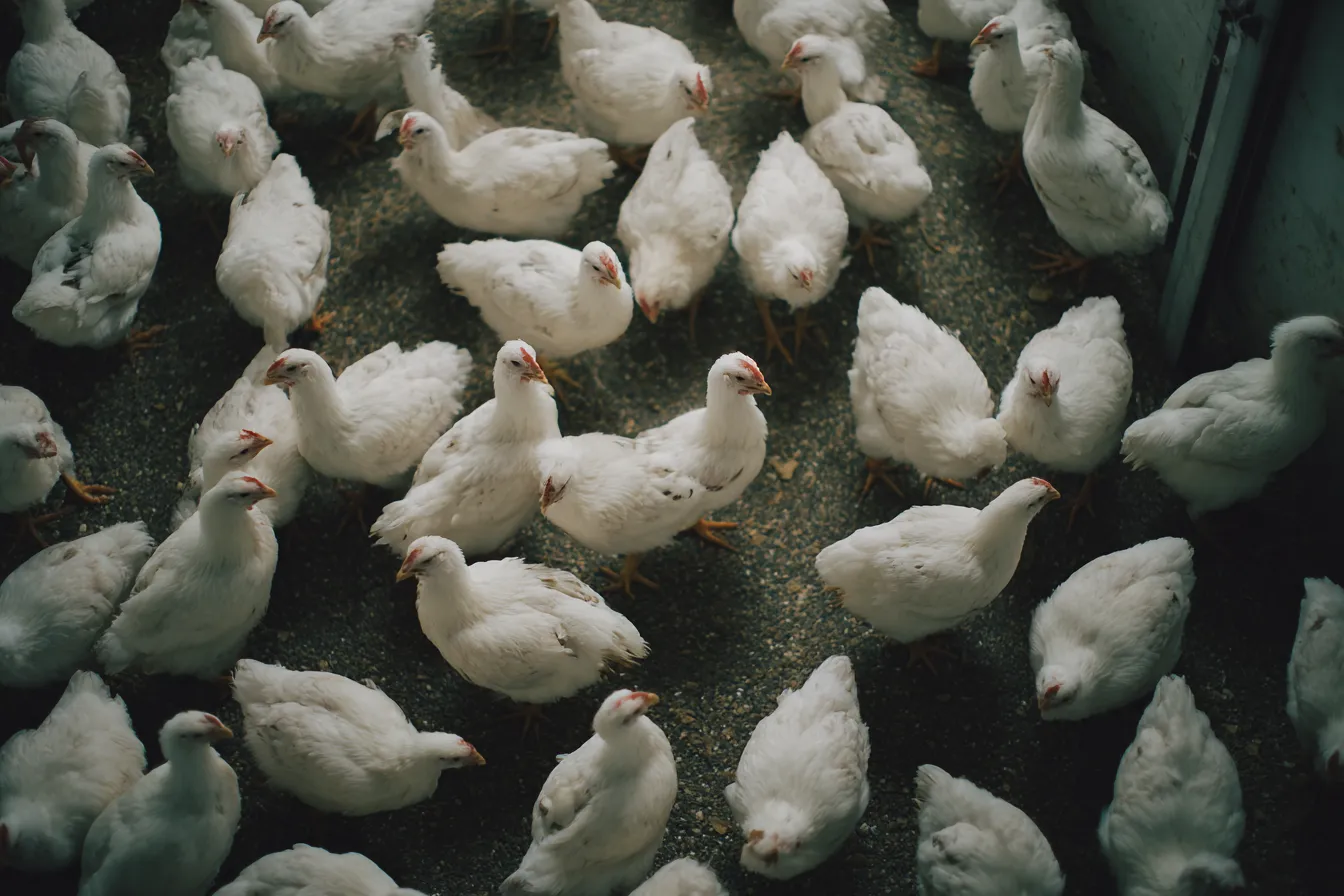
The controller shows one number and the farm trusts it. The birds are showing you a hundred, and they are the ones that matter.
A set-point is a target you give the equipment. It is not proof of what the birds are actually experiencing. The sensor reads one spot at one height; the flock lives across the whole floor, and the gap between those two is where uniformity and feed conversion are won or lost.
Why the sensor lies to you
A single temperature probe on a wall tells you the temperature at that probe. It does not know about the cold draft off an inlet, the dead spot behind a stir fan, the warm pocket under the brooders, or the wet patch beneath a leaking drinker. Air speed at bird level, static pressure and inlet behaviour all vary across the house, and none of them appear on the display.
Read the birds, then adjust the box
Bird distribution is the real thermometer. Evenly spread, active and feeding means the environment is right. Huddled in groups means cold, or a draft they are hiding from. Panting and pushed to the walls, away from each other, means hot. Bunched at one end means a draft, a light or a noise driving them. Walk the house at bird height, quietly, and let the flock tell you what the controller cannot.
Set-points are a target you give the equipment. Bird distribution is the result you get back, and only one of them is the truth.
Commissioning is not a one-time event
A shed set up correctly for winter is set up wrong for summer, and a curve copied from another climate was never right to begin with. Set-points move with bird age, season and the weather that week. The equipment running is not the same as the environment being right, which is why a shed built to specification can still cost the birds in uniformity until someone tunes it to the flock in front of them.
Trust the birds over the box. The controller is a tool for holding a target; the flock is the evidence of whether the target was right, and the farms that read the spread instead of the sensor are the ones whose houses run even end to end.