Insights / Biosecurity
Downtime is disease control, not a delay
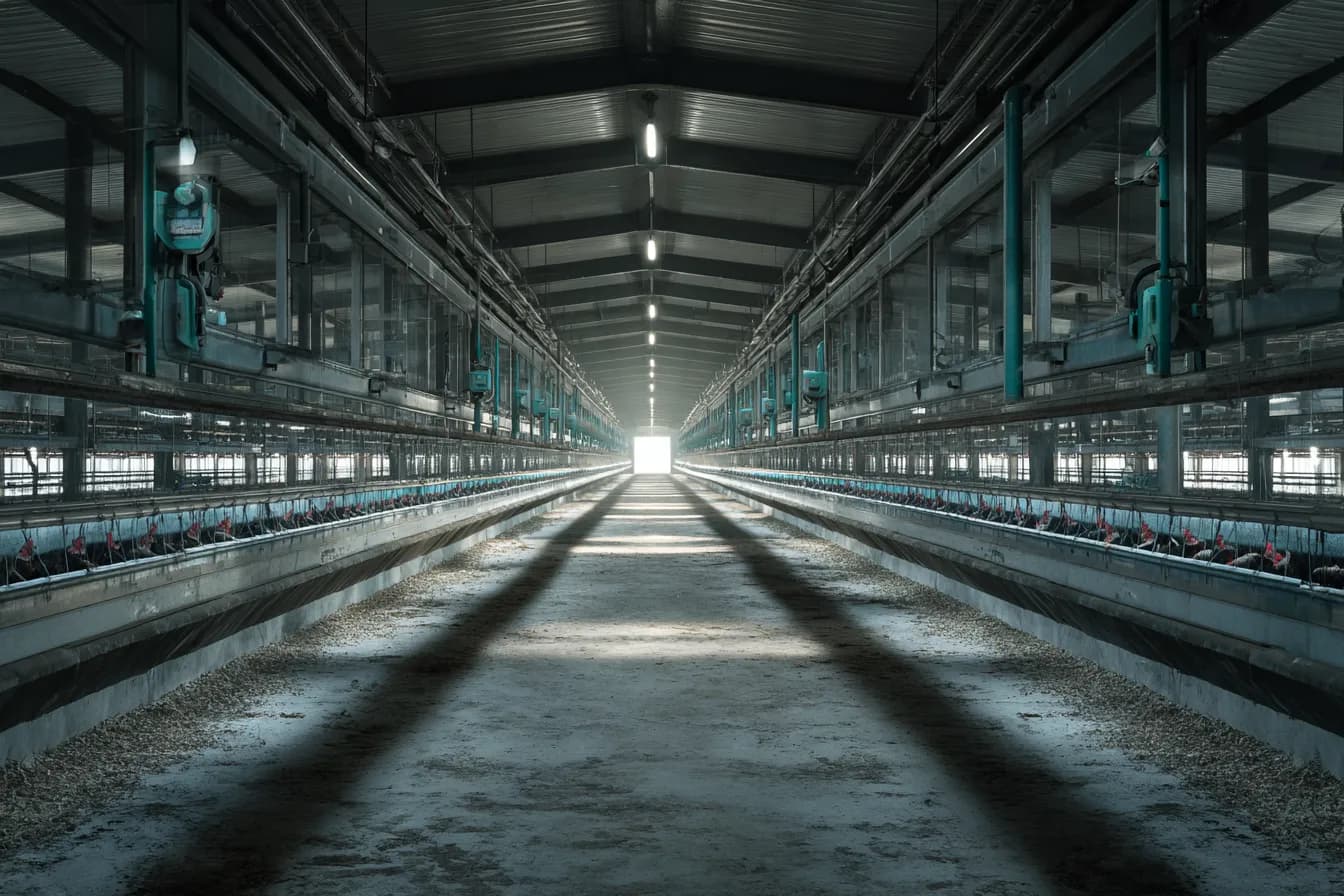
The empty days between flocks feel like lost money. They are the cheapest disease control you will ever buy, and the first thing a farm under pressure cuts.
On a busy farm the temptation is always the same. Chicks are available, the shed is washed, the market is good, so why wait. The answer is that a shed is not clean because it looks clean. Downtime is the period that lets the cleaning actually work and breaks the chain between one flock's infection and the next.
What downtime is actually doing
Two things. First, it gives disinfectant and drying time to finish the job that washing started; most pathogens do not survive long on a genuinely dry, treated surface, but they need time and dryness to die. Second, it starves anything that survived, because with no birds in the house there is no host to multiply in, and the surviving populations fall on their own.
Cut the gap short and you hand the new flock a house that is still carrying a share of the last flock's challenge. The birds are naive, day-old, and they meet a seasoned infection on day one. That is how a farm ends up treating the same disease flock after flock and blaming the vaccine.
A shed is not clean because it looks clean. Downtime is the difference between washing a house and disinfecting one.
How long, and measured from when
Fourteen days, empty, is the working target for a controlled broiler shed, and it is counted from the end of cleaning and disinfection, not from the day the birds left. The days spent washing do not count as downtime; the clock starts when the house is clean, dry and closed.
The most common mistake is to count the wash-out days as part of the two weeks. A house washed over three days and re-stocked eleven days later has had eleven days of downtime, not fourteen, and often the surfaces were still damp for the first few of those.
When you cannot get the full window
Sometimes the schedule genuinely will not allow it. Then downtime becomes a risk you manage rather than a rule you keep. Push the cleaning and disinfection harder, verify it with swabs rather than assume it, pay closer attention to the water lines, and watch the early mortality on the next flock like a hawk, because a shortened gap shows up there first.
Treat the empty shed as part of the flock cycle, not a delay before it. The farms that hold their downtime are the ones that stop treating the same infection twice, and that saving pays for the wait several times over.